Darknet Markets 2026:
The dark web is part of the deep web but is built on darknets: overlay networks that sit on the internet but which can't be accessed without special tools or software like Tor. Tor is an anonymizing software tool that stands for The Onion Router — you can use the Tor network via Tor Browser.
| Darknet Market | Established | Total Listings | Link |
|---|---|---|---|
| TorZon Market | 2022 | 140+ | Onion Link |
| Nexus Market | 2024 | 600+ | Onion Link |
| Abacus Market | 2022 | 100+ | Onion Link |
| Ares | 2026 | 100+ | Onion Link |
| Cocorico | 2023 | 110+ | Onion Link |
Updated 2026-10-27
How Cryptocurrency and Trust Make Drug Sales on the Darknet Work
The operational foundation of darknet markets rests on two interdependent pillars: cryptocurrency and vendor trust. These elements combine to form a system that is both resilient and user-centric, facilitating anonymous transactions with a high degree of reliability. Cryptocurrencies like Bitcoin and Monero provide the necessary financial layer. Their decentralized and pseudonymous nature allows for direct peer-to-peer value transfer without the involvement of traditional financial institutions. This creates a financial pathway that is difficult to trace, aligning perfectly with the requirement for user privacy.
However, financial anonymity alone is insufficient for a functioning marketplace. Trust is engineered through transparent, community-driven systems. Every vendor maintains a public profile featuring detailed metrics:
- Average product rating
- Number of completed transactions
- Percentage of successful deliveries
This historical performance data allows buyers to make informed decisions, rewarding reliable vendors with more business. The escrow system further mitigates risk. Funds for a transaction are held in secure escrow by the market platform and are only released to the vendor once the buyer confirms satisfactory receipt of the goods. This mechanism effectively prevents common fraud scenarios and builds confidence in the process.
The synergy between these components creates a smooth and self-regulating ecosystem. Cryptocurrency enables the secure and private movement of capital, while the reputation and escrow systems enforce a form of digital mercantile ethics. Vendors are incentivized to maintain high standards in product quality and shipping discretion to preserve their ratings and continue their business. This results in a remarkably stable and efficient environment for direct exchange, where anonymous drug sales are conducted with a level of procedural reliability that mirrors conventional e-commerce.
How Crypto and Direct Trade Make Darnet Markets Work
The operational foundation of darknet markets rests on two intertwined pillars: cryptocurrency and peer-to-peer trade. These elements work in concert to facilitate a direct exchange system that is both resilient and user-centric. Cryptocurrencies like Bitcoin and Monero provide the necessary financial layer. Their decentralized and pseudonymous nature allows for transactions that are difficult to trace, effectively separating financial identity from marketplace activity. This enables buyers and vendors to engage in commerce without relying on traditional banking systems, which would otherwise expose their identities and intent.
The peer-to-peer model eliminates intermediaries, creating a direct connection between consumer and supplier. This structure reduces costs and increases efficiency, as goods move through streamlined channels. Trust, a critical component in any trade system, is engineered through transparent mechanisms rather than personal acquaintance. Vendor profiles accumulate detailed feedback and ratings from past transactions, creating a reputation score that guides buyer choice. High-rated vendors are incentivized to maintain quality and reliability to preserve their standing and sales volume.
To further secure transactions, markets employ escrow services. Funds from a purchase are held by the market's automated system until the buyer confirms receipt and satisfaction with the product. Only then is the payment released to the vendor. This mechanism protects buyers from fraud and vendors from fraudulent chargebacks, a common issue in unregulated trade. The combination of these features creates a self-regulating ecosystem:
- Cryptocurrency ensures anonymous and secure payment.
- Peer-to-peer networks enable direct, efficient exchange.
- Vendor rating systems build and maintain trust through community feedback.
- Escrow services mitigate risk for both parties in a transaction.
How Ratings and Escrow Make Buying on the Darknet Safe
The operational stability of darknet markets relies on a dual mechanism of cryptocurrency transactions and social reputation systems. Cryptocurrencies like Bitcoin and Monero provide the necessary financial layer for anonymous exchange, while vendor ratings and escrow services build the trust required for commerce to flourish without traditional legal safeguards.
Cryptocurrency is fundamental, as it allows for direct, peer-to-peer value transfer without bank intermediation. This creates a financial environment where transactions are pseudonymous and difficult to trace, aligning perfectly with the need for discretion. The irreversible nature of blockchain settlements, once confirmed, protects vendors from fraudulent chargebacks that are common with traditional payment methods.
To mitigate the inherent risk of sending payment to an unknown party, markets employ a multisignature escrow system. In this setup, the buyer's funds are held in a secure wallet requiring two or more private keys to release. Typically, the market, vendor, and buyer each hold a key. The funds are only released to the vendor upon the buyer's confirmation of satisfactory delivery. This neutral third-party mechanism prevents vendors from accepting payment without shipping and protects buyers from sending money with no guarantee of receipt.
Parallel to escrow, the vendor rating system functions as a continuous performance audit. After each completed transaction, buyers leave detailed feedback on product quality, shipping speed, and stealth packaging. This generates a transparent history:
- A vendor's overall score and number of completed sales become a primary trust metric.
- Detailed reviews help buyers make informed choices between competitors.
- Consistently high ratings elevate a vendor's status, granting them better placement in search results and greater customer loyalty.
The combination is self-reinforcing. Escrow ensures safe individual transactions, which then generate the reliable feedback that builds a vendor's long-term reputation. This reputation, publicly visible and difficult to artificially inflate at scale, becomes a vendor's most valuable asset, incentivizing honest and efficient service. The system effectively replicates the trust functions of formal institutions through decentralized, community-driven tools, creating a surprisingly stable and efficient marketplace for direct exchange.
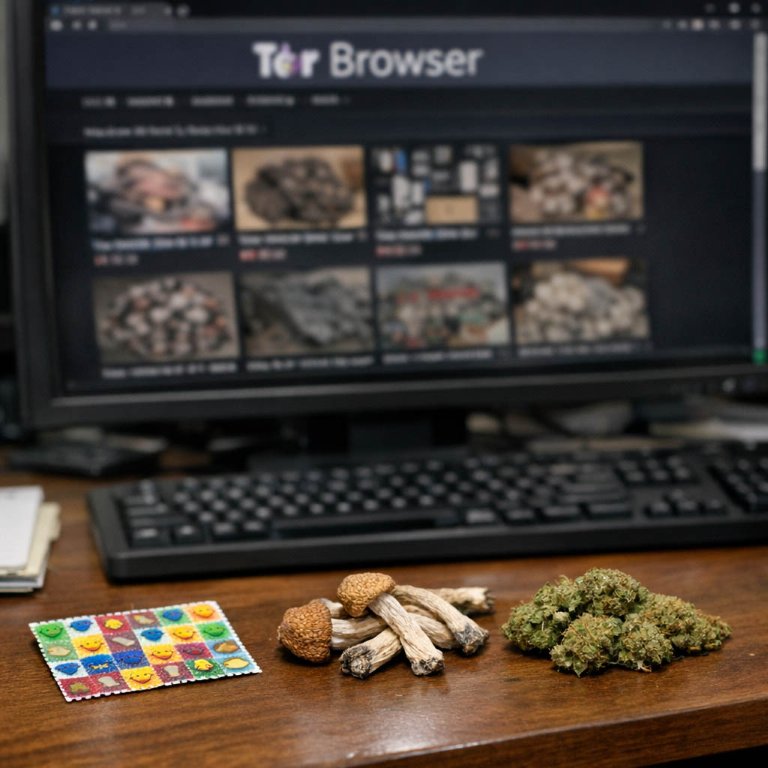
How Detailed Listings Build Trust and Meet Buyer Needs on the Darknet
The operational core of a darknet market is its product listing system, which functions with a level of detail and user-focus that rivals mainstream e-commerce. Each listing provides comprehensive specifications, including precise chemical composition, country of origin, and available quantity tiers. High-resolution photographs, often featuring batch-specific identifiers, allow for visual verification. This transparency directly addresses consumer demand for certainty in a transaction where physical inspection is impossible.
This demand is met through a dual mechanism of cryptocurrency and vendor trust. Cryptocurrencies like Monero or Bitcoin provide the necessary financial layer for anonymous, peer-to-peer value transfer. Payments are not tied to real-world identities, enabling direct exchange without financial intermediaries. The transaction is finalized only when the buyer confirms receipt and quality, a process secured by an escrow system managed by the market platform.
Trust is quantitatively built and displayed. Each vendor maintains a public profile featuring:
- A vendor rating calculated from buyer feedback.
- A detailed transaction history showing total sales.
- Separate metrics for product quality, shipping speed, and communication.
- Badges for verified stealth methods or consistent service.
This system creates a self-reinforcing cycle of reliability. High-rated vendors gain more business, incentivizing them to maintain quality and honest listings. The escrow service protects the buyer's funds until satisfaction is confirmed, which discourages fraudulent product descriptions. The result is a surprisingly efficient and stable ecosystem where anonymous drug sales are conducted with a high degree of predictability and reduced risk for all participating parties.
How Darknet Markets Work Smoothly and Safely
The operational foundation of darknet markets is a sophisticated blend of financial and social technologies that ensures both transactional fluidity and systemic resilience. Cryptocurrencies like Bitcoin and Monero are not merely payment options; they are the lifeblood of the ecosystem. Their decentralized and pseudonymous nature allows for direct, peer-to-peer value transfer without the delays or scrutiny of traditional banking. This creates a seamless financial layer where funds move quickly and globally, underpinning the entire exchange process.
This financial efficiency is matched by a robust reputation-based trust mechanism. Vendors build their business entirely on consistent performance, which is transparently recorded in:
- Detailed customer feedback and rating systems, similar to those on mainstream e-commerce platforms.
- The strategic use of escrow services held by the market, which release funds only upon successful delivery, protecting buyers.
- Public vendor profiles displaying order completion statistics and longevity on the platform.
This combination has a stabilizing effect. High-rated vendors have a strong economic incentive to maintain quality and reliability, as their income depends directly on their reputation. The system is self-reinforcing: cryptocurrency enables the discreet and efficient movement of capital, while the transparent trust framework reduces fraud and builds predictable trading relationships. Together, they form a closed-loop economy that is both adaptable to external pressure and capable of providing a consistent, user-driven service for anonymous commerce.