Darknet Markets 2026:
The dark web is part of the deep web but is built on darknets: overlay networks that sit on the internet but which can't be accessed without special tools or software like Tor. Tor is an anonymizing software tool that stands for The Onion Router — you can use the Tor network via Tor Browser.
| Darknet Market | Established | Total Listings | Link |
|---|---|---|---|
| TorZon Market | 2022 | 140+ | Onion Link |
| Nexus Market | 2024 | 600+ | Onion Link |
| Abacus Market | 2022 | 100+ | Onion Link |
| Ares | 2026 | 100+ | Onion Link |
| Cocorico | 2023 | 110+ | Onion Link |
Updated 2026-10-27
How Modern Darknet Markets Keep Trading Safe and Stable
The operational foundation of leading darknet markets in 2025 is built upon a multi-layered security architecture. This evolution directly addresses historical vulnerabilities, creating platforms where transactions are inherently more secure. The implementation of end-to-end encryption (E2EE) for all communications is now standard, ensuring that messages between buyers and vendors remain private and inaccessible to any third party.
Platform resilience is achieved through advanced infrastructure design. Markets now utilize distributed hosting and anti-DDoS protection on an unprecedented scale, making them significantly harder to disrupt or take offline. This stability is critical for maintaining trust and ensuring continuous access. The integration of multi-signature (multisig) escrow by default has shifted financial security paradigms. This system requires multiple cryptographic keys to authorize a transaction, removing the single point of failure that was the centralized escrow account and drastically reducing exit scam risks.
Further technical enhancements include:
- The mandatory use of P2P (Peer-to-Peer) networks and Tor-only access with strict no-JavaScript policies to prevent browser fingerprinting.
- Automated, encrypted backup systems that preserve marketplace data and user bond information across redundant nodes.
- Continuous penetration testing and bug bounty programs funded by marketplace fees, incentivizing the community to identify and report security flaws proactively.
This consolidated focus on security by design results in a trading environment where technical failures and external attacks are mitigated. Users engage with confidence, knowing the platform's primary function is to safeguard their activity and financial assets through robust, transparent technological measures.
Easy Shopping on the Darknet
The evolution of darknet markets in 2025 is characterized by a significant shift towards streamlined and intuitive user interfaces. Platform designers have moved beyond basic functionality to create environments that prioritize clarity and ease of navigation. This reduces user error and enhances the overall efficiency of transactions.
Search and filtering mechanisms have become highly sophisticated. Users can now employ multi-layered filters for product categories, vendor trust scores, shipping origins, and verified purity levels. This precision allows buyers to find exactly what they need without sifting through irrelevant listings, saving time and increasing satisfaction.
The checkout and communication processes are now fully integrated and simplified. A typical workflow involves:
- Selecting a product with clear pricing and shipping details.
- Automated escrow calculation and setup upon order confirmation.
- Direct, encrypted messaging with the vendor within the same window.
- Real-time tracking updates for shipped orders, where supported.
This cohesive design minimizes steps and keeps all transaction elements in one place. The focus on a clean, logical layout directly supports safer and more reliable trades by making every action transparent and easy to follow. The improved experience fosters greater platform loyalty and encourages repeat business, which benefits both consumers and reputable vendors.
Safe and Fair Drug Deals with Automated Escrow
The evolution of escrow services represents a fundamental improvement in transaction security for darknet markets. Traditional multi-signature escrow, while effective, required manual intervention from both buyer and seller to release funds. Current systems automate this process upon delivery confirmation, significantly reducing the window for human error or deliberate fraud. This automation extends to dispute resolution, where algorithms now handle the majority of common issues.
Automated dispute systems analyze a predefined set of evidence submitted by both parties. For a non-delivery claim, the system cross-references tracking data, vendor shipping timelines, and buyer confirmation history. If tracking shows delivery to the buyer's region and the buyer has a pattern of confirming receipt, the system is likely to release funds to the vendor. Conversely, a vendor with consistent shipping delays and a buyer with a clean record will trigger an automatic refund. This removes bias and speeds up resolutions from days to hours.
The core components of these systems include:
- Smart contract-based escrow that locks funds until objective conditions are met.
- Integration with shipping and tracking APIs for real-time delivery verification.
- Reputation-weighted decision algorithms, where a user's historical behavior influences dispute outcomes.
- An appeal layer to a panel of experienced moderators for cases the algorithm cannot confidently resolve.
This framework minimizes the need for trust between anonymous parties by enforcing rules through code. It creates a self-regulating environment where transactional fairness is institutionalized, directly contributing to platform resilience and user confidence. The result is a market where financial risk for consumers is nearly eliminated, and vendors are promptly paid for fulfilled orders, fostering a stable and reliable commercial ecosystem.

Clear Vendor Scores for Safer Shopping
The evolution of vendor reputation systems is a cornerstone of modern darknet markets. By 2025, these systems have moved beyond simple feedback scores to become multi-dimensional trust frameworks. A vendor's profile now integrates several critical data points into a cohesive reliability index.
The foundation remains the transaction success rate, calculated automatically by the platform's escrow system. This percentage reflects completed orders without disputes, providing a baseline for operational consistency. Alongside this, the detailed feedback system allows buyers to rate specific aspects of a transaction.
- Product quality relative to its description
- Stealth and packaging effectiveness
- Shipping speed and reliability
- Communication clarity and responsiveness
Each category receives a separate score, enabling potential buyers to assess a vendor's strengths with precision. For instance, a vendor might have exceptional marks for product purity but average scores for shipping speed. This granularity prevents the distortion that a single aggregate score can create.
Advanced platforms now incorporate longitudinal trust metrics. These track a vendor's performance over time, highlighting stability. A badge for "Six-Month Consistent Service" holds more weight than a high score from a new account. The system also tracks resolution history in the automated dispute center, showing how fairly and efficiently a vendor resolves issues.
Finally, the integration of verified spectroscopic analysis results into product listings directly influences reputation. Vendors who consistently provide verified purity data build scientific credibility, which is reflected in a dedicated metric on their profile. This creates a self-reinforcing cycle where vendors are incentivized to provide proof of quality, which in turn generates more positive, detailed feedback, further solidifying their standing in a competitive ecosystem.
More Choices and Better Products on the Darknet
The product catalogs on leading darknet markets in 2025 have evolved beyond traditional categories, now resembling specialized e-commerce platforms. This expansion is not merely quantitative but reflects a sophisticated market segmentation and consumer demand analysis. Vendors operate with a focus on niche products, catering to specific preferences with a precision that was previously unattainable.
Beyond common substances, listings now include a wide array of research chemicals, pharmaceutical-grade medications, and bespoke botanical products. Each category features detailed specifications, including:
- Chemical analogs with documented effect profiles
- Precise dosage information for pharmaceutical items
- Regional and strain-specific data for botanicals
The variety extends to ancillary products and services that support a safer consumption paradigm. Markets routinely list:
- Professional-grade testing kits and reagents
- Precision measuring and dispensing tools
- Educational materials on harm reduction practices
This diversification directly enhances platform resilience and user retention. A broader economic base stabilizes the marketplace ecosystem, making it less vulnerable to fluctuations in any single product line. For the consumer, it translates to a one-stop environment where sourcing is efficient, comparisons are straightforward, and the overall transaction experience is streamlined and reliable.

How Lab Testing on the Darknet Ensures Safer Products
The verification of product purity has evolved from a vendor claim to a standardized, platform-verified metric. By 2025, leading darknet markets have integrated spectroscopic analysis as a core service, fundamentally altering the transaction landscape. Customers no longer rely solely on subjective reviews for quality assessment; they access empirical, chemical composition data before purchase.
Vendors submit product samples to independent, platform-contracted laboratories. These labs utilize techniques like gas chromatography-mass spectrometry (GC-MS) and Fourier-transform infrared spectroscopy (FTIR). The resulting analysis confirms the active substance's concentration and identifies cutting agents or unexpected adulterants. This data is then cryptographically signed and attached to the product listing as a verifiable report.
The operational impact is significant:
Markets with mandatory verification see a measurable decrease in dispute cases related to product quality. Vendors specializing in high-purity items gain a competitive and reputational advantage, as their listings feature the verified badge and detailed chromatograms. This system creates a self-reinforcing economic incentive for quality, marginalizing suppliers of misrepresented or dangerous substances. The process addresses a primary historical risk in unregulated commerce by providing a transparent and scientific basis for trust.
For the consumer, this translates to unprecedented transaction safety. The ability to compare spectroscopic reports between vendors allows for informed decisions based on quantitative purity, desired dosage, and the absence of harmful contaminants. This technological integration represents a maturation of darknet markets, shifting the paradigm from blind trust to verified chemical accountability.
How Darknet Markets Self-Regulate for Quality and Trust
The evolution of darknet markets has led to the development of highly efficient and self-regulating ecosystems. These platforms operate on principles of decentralized feedback and automated governance, which naturally promote market stability and vendor accountability without external oversight.
Transaction efficiency is achieved through automated escrow and finalize-early options, which reduce capital lockup times and accelerate trade cycles. This liquidity is crucial for market health. The reputation system acts as the primary regulatory mechanism; a vendor's long-term score, order completion rate, and detailed feedback are transparent metrics that directly influence their visibility and buyer trust. Markets with poor practices or exit scams are quickly identified and abandoned by the community, creating a form of natural selection among platforms.
This self-regulation extends to product quality. Vendors competing for high reputation are incentivized to provide:
- Accurate product descriptions
- Consistent purity as verified by community-funded spectroscopic analysis
- Reliable shipping methods
Dispute resolution is handled through moderated arbitration systems, where experienced users review evidence to settle conflicts fairly, enforcing the platform's rules impartially. The collective action of buyers and vendors, guided by transparent data, creates a balanced environment where reliability and quality are the most valuable commodities.
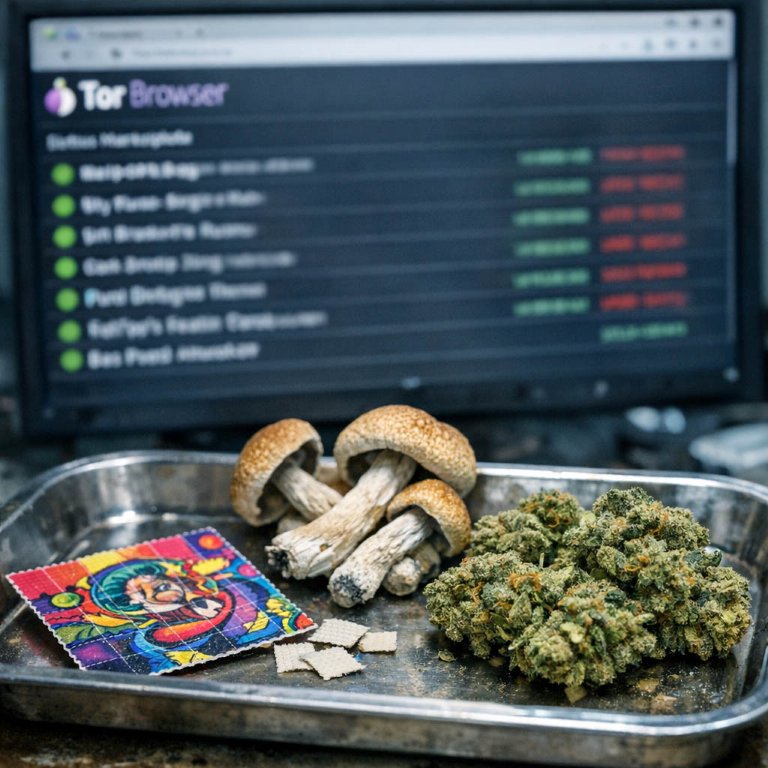
How Darknet Markets Now Ensure Safe and Reliable Trade
The operational evolution of darknet markets in 2025 is fundamentally driven by a commitment to consumer safety and transaction reliability. This paradigm shift moves beyond basic anonymity, establishing a framework where secure trade is the default condition. The cornerstone of this framework is the advanced multi-signature escrow system, which automates fund release only upon confirmed delivery, virtually eliminating the risk of vendor fraud. Dispute resolution is no longer a manual, biased process but is managed by smart contracts that evaluate cryptographic proof of shipment and delivery, ensuring impartial and swift outcomes.
Vendor accountability is quantifiable through granular reputation metrics. Platforms now display detailed histories, including product purity scores from spectroscopic analysis, consistency in shipping times, and communication responsiveness. This data allows buyers to make informed decisions, fostering a self-regulating ecosystem where reliable vendors thrive. Product listings are required to include verifiable certificates of analysis, often from third-party testing services, confirming the chemical composition and purity of the substances offered. This practice directly addresses health risks associated with adulterated products, elevating consumer safety to a primary market feature.
Transaction reliability is further enhanced by platform resilience. Modern darknet infrastructures employ decentralized hosting and continuous backup protocols, preventing the data loss and service interruptions that plagued earlier markets. The integration of monero (XMR) as the standard currency provides stronger transactional privacy than bitcoin, protecting financial metadata. These combined measures create a trading environment where the logistical and financial security of the transaction is assured, allowing the market to function with a reliability that rivals conventional e-commerce, albeit within its specific operational parameters.
Reliable Quality on the Darknet
The operational stability of modern darknet markets directly enables a level of product consistency previously unattainable. Vendor storefronts now function as permanent, branded entities rather than temporary listings, which incentivizes long-term investment in supply chain management and quality control. This shift transforms the buyer experience from a transaction of uncertainty into a reliable commercial exchange.
Standardized listing formats are universally adopted, mandating clear information on substance purity, precise weight, and detailed origin. The integration of spectroscopic analysis certificates as a standard feature for many high-value listings provides an empirical, verifiable quality metric. This practice reduces informational asymmetry and aligns vendor success with demonstrable product integrity.
The market's feedback and reputation systems are the primary regulatory mechanism. A vendor's ability to maintain a high rating over thousands of transactions is predicated on consistent fulfillment of product specifications. Discrepancies between advertised and received goods are rapidly reflected in public reviews and detailed rating breakdowns, creating powerful economic disincentives against misrepresentation.
This environment fosters specialization. Vendors increasingly focus on specific product categories, developing expertise and consistent sourcing that translates into reliable listings. Consumers benefit from predictable outcomes, which is fundamental for both harm reduction practices and transactional satisfaction. The result is a self-reinforcing cycle where platform tools for transparency and vendor accountability directly elevate the baseline quality and reliability of all goods traded.